





By Urdu Report Editorial Team
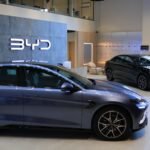
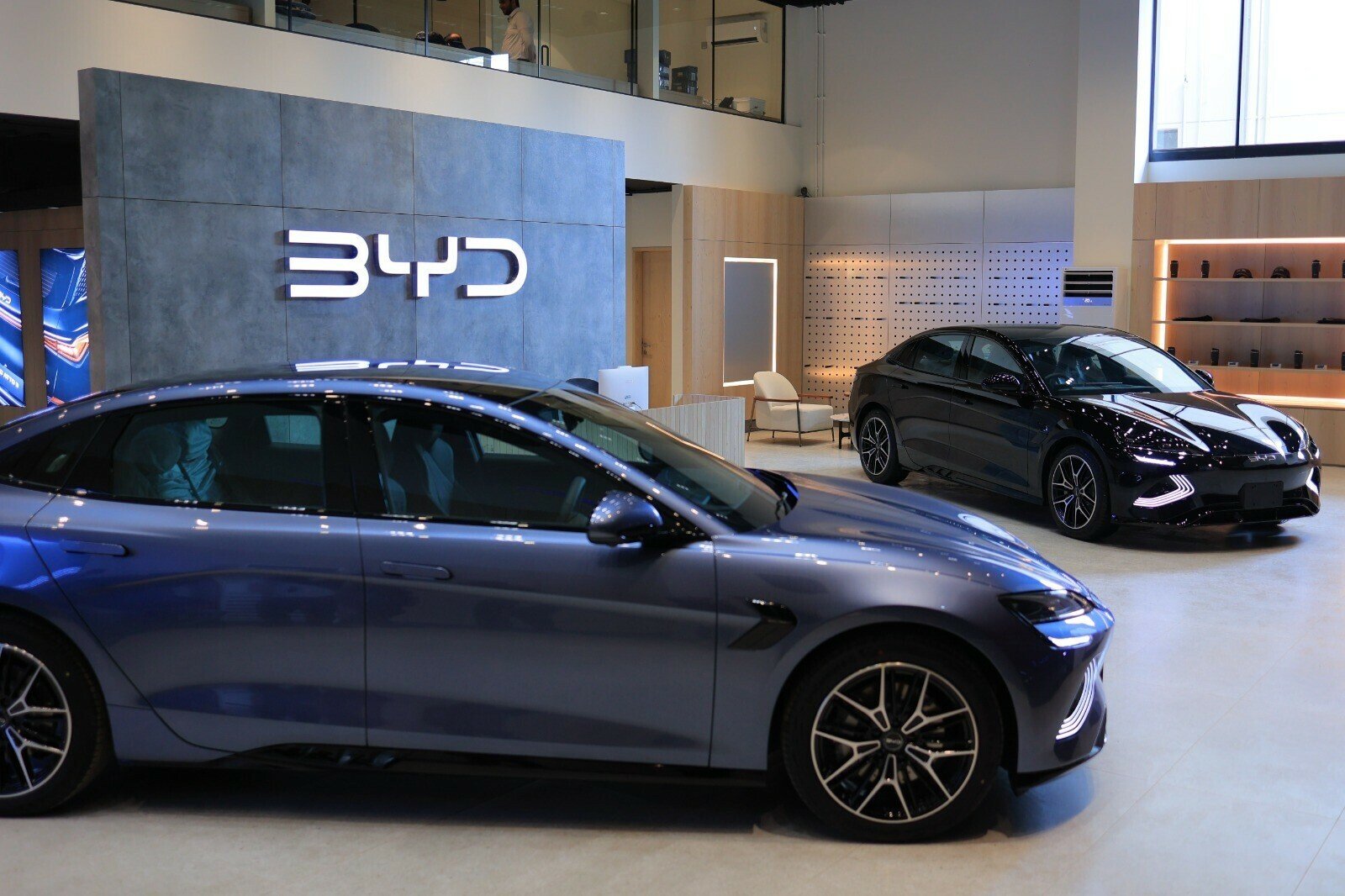
KARACHI: BYD’s vehicle assembly plant in Gharo, Sindh, has been delayed again, with its planned start of operations pushed beyond the original schedule.
The plant was initially expected to become operational in the first half of fiscal year 2026. However, that deadline has passed without the start of local production.
According to a note by Topline Securities, Hub Power Company Limited told analysts that the BYD assembly plant is now planned to become operational in the second half of 2026.
The facility is expected to have an initial production capacity of 25,000 vehicles per year. This capacity could later be increased to 50,000 units.
Hubco’s Stake in the BYD Project
On February 28, 2025, Hubco told analysts that Mega Motor Company (Pvt) Ltd was setting up the vehicle assembly plant in Sindh.
The original plan also included four flagship dealerships and three service dealerships in Pakistan’s three major cities. Hubco holds a 50 percent stake in the project.
In June 2024, Hub Power entered Pakistan’s electric vehicle business with BYD Auto Industry Company through its wholly owned subsidiary HPHL and associated company Mega Motor.
The project is a joint venture between Chinese electric vehicle manufacturer BYD and Mega Motor, a subsidiary of Hub Power.
Reasons for Assembly Delay Remain Unclear
The source report does not provide a reason for the latest delay. Information was sought about the reasons for the delay, the plant’s current status, the localization plan, BYD vehicle imports before local assembly and the first-year production target.
Hubco management said the total project investment stands at $150 million, including $90 million in project financing.
The company is targeting a 30 percent share of Pakistan’s combined electric vehicle and plug-in hybrid vehicle segment by 2030. However, the company did not respond to the English-language newspaper’s queries.
EV Charging Network Expanding
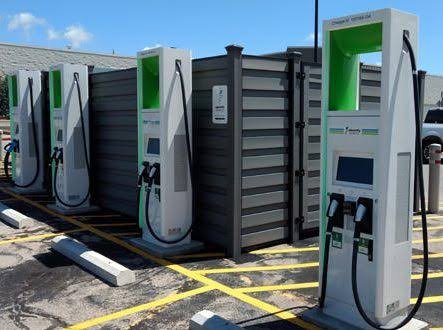
Meanwhile, Hubco is also expanding electric vehicle charging infrastructure through Hubco Green.
Twenty-four DC fast-charging stations are currently operational. Chargers have been installed approximately every 200 kilometres along the Karachi-Peshawar motorway network.
The company plans to reduce the distance between charging sites to 100 kilometres. Charging at these stations takes around 25 to 45 minutes.
Chery Q Electric Vehicle Launch
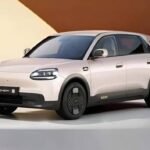
Meanwhile, Chery Master Pakistan has announced that it will introduce the fully electric Chery Q at the Pakistan Auto Show on September 18.
According to the company, Pakistan’s new energy vehicle segment grew by 392 percent in fiscal year 2026 and now accounts for around 15 percent of the overall automobile market.
The company is also seeking to benefit from the country’s expanding rooftop solar market by promoting electric vehicles as a way to make productive use of surplus household solar power.
Chery Master Pakistan estimates that a conventional petrol vehicle driven around 20,000 kilometres a year could consume about Rs488,000 worth of fuel.
According to the company’s real-world calculation, the annual energy cost of operating the Chery Q could fall to around Rs30,000 for households that use surplus solar power for charging, based on efficiency of about 7.2 kilometres per unit.