





The Sindh government has released the judicial commission’s report on the death of Mir Raza Ali, recommending the formation of a joint investigation team (JIT) to ensure a transparent investigation and restore public confidence in the case.
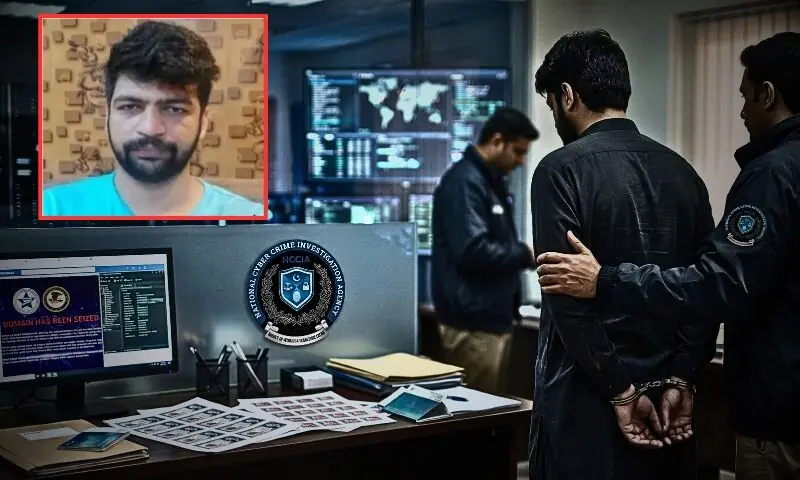
The commission has recommended that the JIT be headed by DIG Irfan Baloch and include representatives from the Inter-Services Intelligence (ISI), Intelligence Bureau (IB), Pakistan Rangers Sindh and the National Cyber Crime Investigation Agency (NCCIA).
According to the report, the case was initially treated as a suicide but was later described as murder. The commission observed that public confidence in the investigation had been severely damaged, adding that even a correct outcome might struggle to gain public acceptance.
It said a transparent investigation was essential to establish the facts, address public concerns and put an end to speculation.
Judicial Commission’s Proceedings
The report states that the Sindh government established the judicial commission under the Sindh Tribunals of Inquiry Ordinance, 1969, to examine the facts and circumstances surrounding Mir Raza Ali’s death.
The commission began its work on August 27, 2026, and continued hearings and the recording of statements until October 7, 2026. During 20 meetings, it recorded statements from 50 witnesses, including Mir Raza’s family members, friends, business partners, investors, police officers and other individuals.
The commission was initially given one month to complete its inquiry, with a subsequent extension of 15 days.
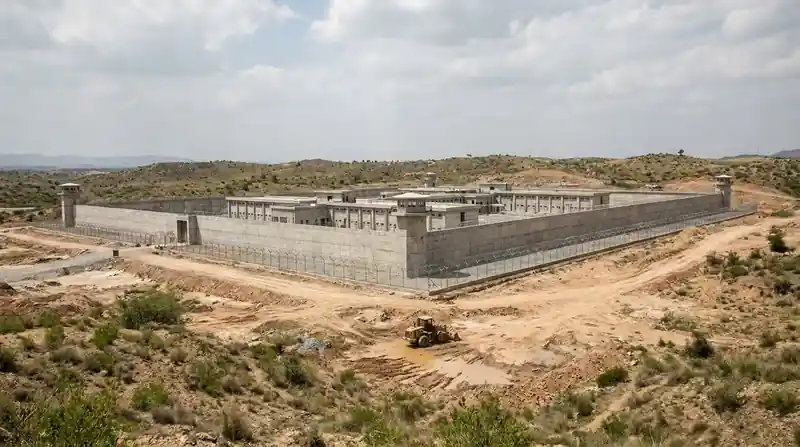
It also inspected the crime scene on October 5. The report says the proceedings were kept open to the public to promote transparency and reduce speculation surrounding the case.
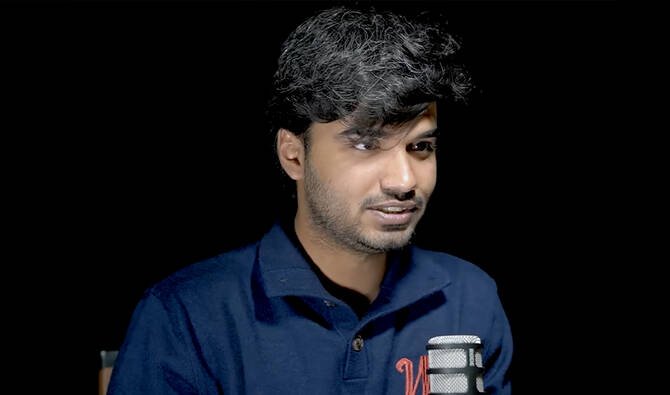
According to the report, Mir Raza was a graduate of the Institute of Business Administration (IBA) and later established a business called Viflix. He left his home in Karachi’s PECHS area in the early hours of July 28.
Serious Questions Over Sindh Police Investigation
The judicial commission raised serious concerns about the Sindh Police investigation, stating that it had failed to fulfil its fundamental responsibility of establishing the truth.
According to the report, the police announced findings before completing an adequate investigation, a practice the commission considered inconsistent with professional standards.
The commission observed that the initial suicide theory relied on unverified text messages and selected video footage.
It also found that investigators had failed to determine who was responsible for bringing the young man to such a situation. Allegations involving blackmail, coercion or abetment of suicide were not adequately investigated, the report said.
The commission did not rule out the possibility that relevant facts may have been concealed during the police investigation. It therefore recommended examining the conduct of police officers involved in the first 10 days of the inquiry.
It called for immediate departmental inquiries against officers responsible for negligence and recommended criminal proceedings against those found culpable.
The report also recommended that Sindh Police acknowledge its earlier shortcomings and apologise to the public. The provincial government was urged to assure the affected family and the public that the investigation would be conducted transparently.
Post-Mortem Reports and Forensic Evidence
The commission identified discrepancies between observations recorded in the first and second post-mortem reports.
According to the report, the location of the gunshot wound was used to support the initial suicide theory. However, the commission said the bullet’s trajectory and the nature of the wound contradicted that theory.
The report also referred to the absence of blood on the body and other evidence as factors that, in the commission’s assessment, undermined the possibility of suicide.
Burn injuries reportedly associated with acid and the presence of a sedative in the blood were also identified as significant pieces of evidence.
The commission concluded that the post-mortem findings left no reasonable doubt, in its assessment, that Mir Raza had been murdered.
It stressed that police were required to conduct a complete and professional investigation regardless of whether the death was initially suspected to be a suicide or a homicide.
The report found no evidence supporting allegations that Dr Usama had been pressured. However, it also referred to an allegation that Dr Usama had attempted to undermine the credibility of the police surgeon.
Serious Negligence in Collecting CCTV Footage
The judicial commission also highlighted significant shortcomings in the collection of CCTV footage during the investigation.
According to the report, there were at least nine possible routes leading to and from the crime scene, while at least 52 CCTV cameras were installed in the surrounding area.
The commission said police obtained footage only from the road along which Mir Raza had travelled.
It described the failure to collect footage from other possible routes and nearby cameras as serious investigative negligence.
The findings raise questions about whether potentially relevant visual evidence was adequately secured and examined during the initial investigation.
JIT Recommended Under DIG Irfan Baloch
To restore the credibility of the investigation and ensure a comprehensive review of the case, the commission recommended forming a JIT under DIG Irfan Baloch.
The proposed team would include representatives from the ISI, IB, Pakistan Rangers Sindh and the NCCIA.
According to the report, the involvement of multiple agencies is necessary to examine all aspects of the case, particularly after evidence may have been compromised.
The commission said intelligence-based investigation and a fresh assessment of the available evidence were needed to establish the facts and address public concerns.
Accountability and Restoration of Public Confidence
The commission’s recommendations include determining the responsibility of police officers, initiating departmental and criminal proceedings against those found negligent, and assuring the affected family that the investigation will be transparent.
It also called on Sindh Police to acknowledge its earlier failures.
The report emphasised that restoring public confidence would require more than simply announcing a final conclusion. A credible investigation, supported by evidence and accountability, would be essential to resolving the controversy surrounding Mir Raza Ali’s death.
The recommendation to establish a multi-agency JIT is intended to help determine the facts, address unanswered questions and reduce speculation surrounding the case.