








Urdu Report Desk
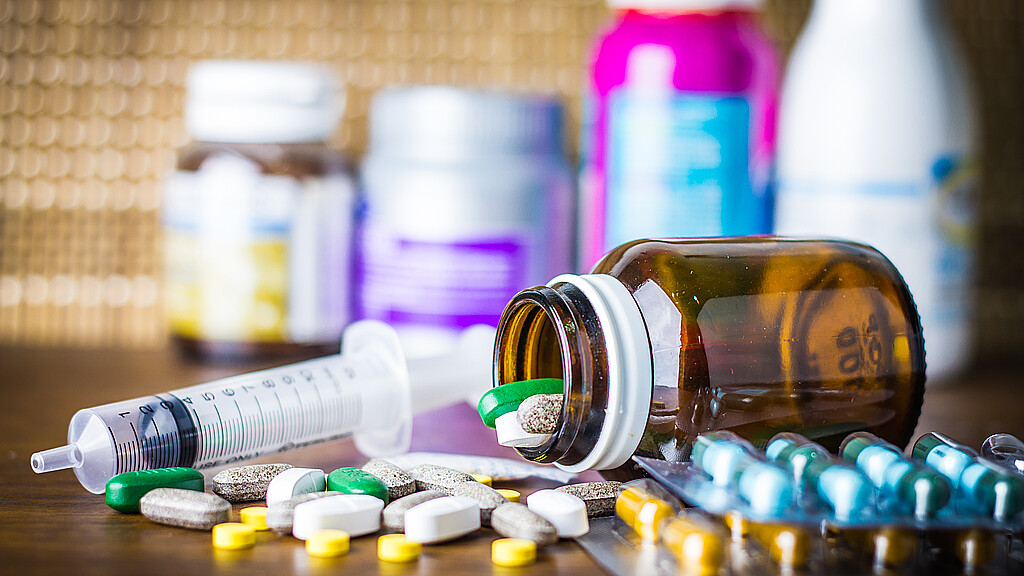
Pakistan is facing a growing shortage of essential and life-saving medicines, with more than 100 products no longer available in the market. Pharmaceutical companies say production of these medicines has been halted because approved prices no longer cover manufacturing costs.
The shortage has affected medicines used to treat serious conditions, including cancer, hypertension and diabetes. Manufacturers and suppliers say the problem has developed gradually over the past two years as production costs increased while approved medicine prices remained unchanged.
Price Increase Applications Pending
According to the pharmaceutical industry’s representative body, around 105 medicines are currently being cited as facing shortages, although the figure does not reflect the full scale of the problem.
Pharmaceutical companies have also largely stopped submitting new applications for price increases because earlier requests have remained pending for extended periods.
Decisions Required Under Pricing Policy
A former official of the Pakistan Pharmaceutical Manufacturers Association said the Drug Pricing Policy 2018 requires hardship applications for financially unviable medicines to be decided within 60 to 90 days.
According to the official, applications submitted over the past two years are still awaiting decisions.
Risk of Smuggled and Counterfeit Medicines
The shortage is also creating risks for patients. In the absence of genuine medicines, some consumers could turn to expensive smuggled or counterfeit products.
Government Controls Prices of Life-Saving Medicines
The government currently controls the prices of life-saving medicines. These medicines account for around 40 percent of all medicines sold in Pakistan and cover approximately 500 molecules.
Manufacturers Seek Greater DRAP Authority
Pharmaceutical companies are now seeking changes to the pricing mechanism so that the Drug Regulatory Authority of Pakistan (DRAP) can make final decisions on hardship applications without requiring the cases to be sent to the federal cabinet.
The manufacturers say the current process has contributed to delays in decisions on medicines that they consider financially unviable at existing approved prices.
Issue Raised with Federal Ministers
Pharmaceutical companies recently raised the issue with Federal Minister for National Health Services, Regulations and Coordination Mustafa Kamal, Planning Minister Ahsan Iqbal and Adviser to the Prime Minister for Industries and Production Haroon Akhtar.
According to the manufacturers, they require a margin of around 10 to 15 percent to cover manufacturing and distribution costs, maintain operations and invest in additional production capacity and new products.