






Urdu Report Desk
Researchers have revisited a long-standing mystery linked to ancient Egyptian kings after reexamining human remains dating back around 5,000 years.
According to archaeologists, modern technology and forensic research methods have revealed evidence that was not clearly identified in earlier investigations.
Evidence from Abydos Tombs
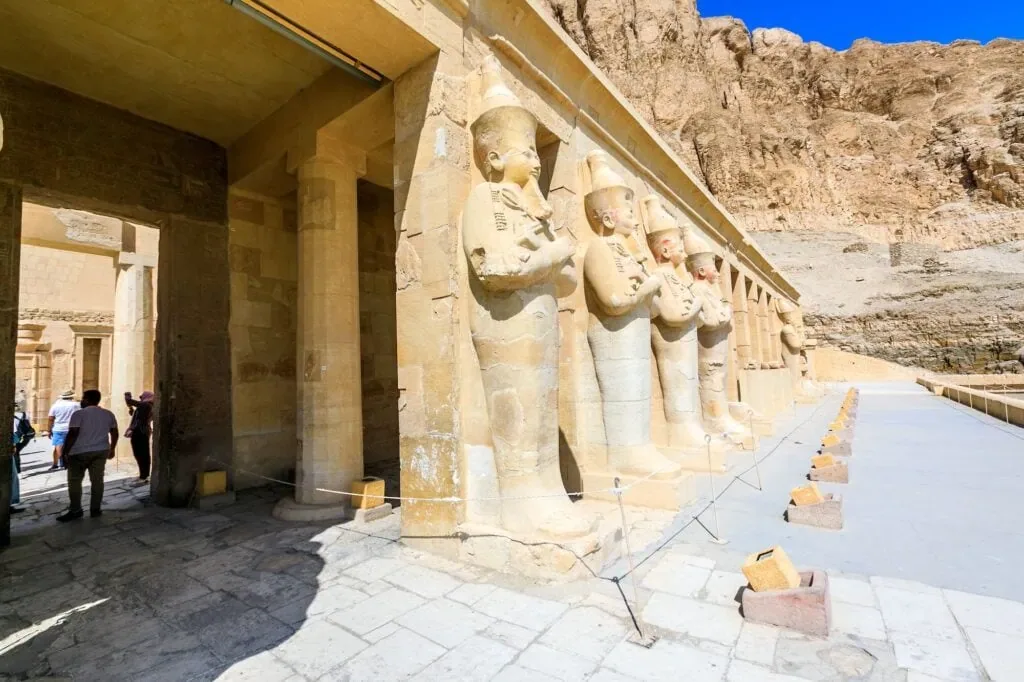
Researchers examined human remains recovered from the tombs of three rulers of Egypt’s First Dynasty in the ancient city of Abydos.
Several of the skulls showed clear evidence of severe blows to the head. The findings have raised the possibility that some attendants buried alongside royal rulers may have been killed so they could continue serving their kings in the afterlife.
Remains Preserved in Cambridge
The human remains were first discovered during the 1920s and are now preserved in the Duckworth Collection at the University of Cambridge in the United Kingdom.
Researchers said advances in technology allowed them to identify evidence on the ancient remains that had not been clearly visible using the more limited research methods available during earlier examinations.
The findings could provide new insight into royal burial rituals in ancient Egypt and the practice of burying attendants alongside rulers.
Evidence of Retainer Sacrifice
Dr Rosalie Campbell of Purdue University explained that retainer sacrifice was a form of human sacrifice in which people close to a ruler were killed around the time of the ruler’s death.
When the skulls were first removed from the tombs, researchers had questioned whether human sacrifice had taken place. However, no clear evidence of deliberately inflicted injuries was identified on the remains at the time.
New Forensic Examination
A later examination using modern forensic techniques found evidence of potentially fatal head injuries in 18 of 46 skulls.
The injuries included skull fractures. One skull also showed evidence of a cut near the eye that may have been caused by a sharp object.
The new findings suggest that evidence overlooked during earlier examinations may help researchers better understand the treatment of attendants and burial practices associated with Egypt’s earliest royal rulers.