






Urdu Report Desk
Pakistan’s poverty rate has risen significantly, with nearly 29% of the population living below the national poverty line in fiscal year 2024-25, according to the United Nations’ Pakistan Annual Report 2025.
The poverty rate increased from 21.9% in 2018-19 to 28.9% in 2024-25, highlighting the economic pressures facing households despite signs of greater macroeconomic stability during 2025.
The figures are based on preliminary poverty estimates for fiscal year 2024-25 by Pakistan’s Planning Commission, which were included in the UN report.
Pakistan ranks 168th among 193 countries in the United Nations Development Programme’s Human Development Index, while Afghanistan ranks 181st.
Poverty Rate and Economic Inequality
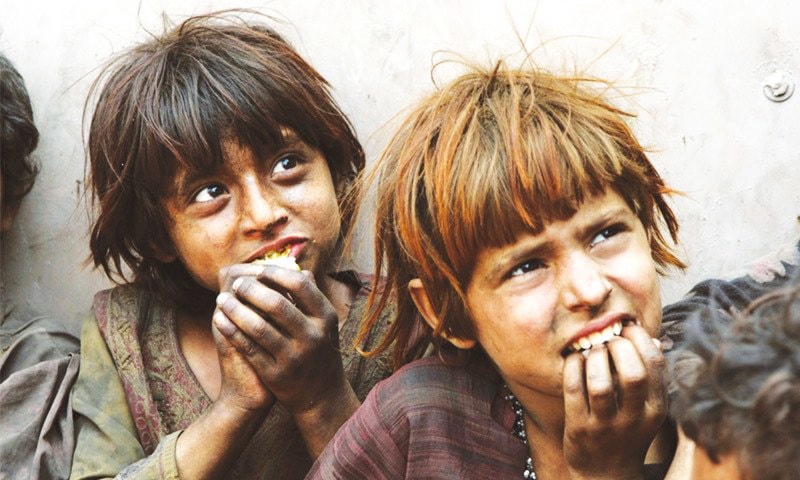
The UN report highlights growing difficulties for low-income families in meeting essential needs, including food, healthcare and education.
It also points to increasing income inequality, which has widened the gap between different sections of society and left economically vulnerable households struggling to cope with rising living costs.
According to the World Bank’s latest information on Pakistan, the national poverty rate was approximately 29% in fiscal year 2024-25, equivalent to around 70 million people.
Rural Areas and Balochistan Face Higher Poverty
Poverty remains more widespread in rural areas than in urban centres. The report puts the rural poverty rate at 36.2%, while Balochistan’s rate stands at approximately 47%.
Many households in rural and climate-vulnerable areas depend on agriculture, informal employment and limited local markets for their livelihoods.
Disruptions in these sectors can reduce household incomes, weaken economic security and make it more difficult for families to withstand financial shocks.
Income Inequality Continues to Widen
Pakistan’s Gini coefficient, a measure of income inequality, reached approximately 32.7, according to the figures cited in the report.
The indicator reflects disparities in income distribution and highlights the uneven distribution of economic gains across society.
The report warns that rising poverty can weaken households’ ability to cope with future economic shocks and limit their capacity to invest in children’s education, healthcare and opportunities for a better future.
Food Insecurity Affects More Households
Data from the Pakistan Bureau of Statistics’ Household Integrated Economic Survey 2024-25 show that the proportion of households experiencing food insecurity rose from 15.92% in 2018-19 to 24.35%.
The rate stood at 26.72% in rural areas, compared with 20.58% in urban areas.
Low-income households are particularly vulnerable because they spend a large share of their earnings on food. Rising food prices and declining purchasing power can therefore have a disproportionate impact on their living standards.
The report notes that persistent food insecurity affects more than access to meals. It can also undermine nutrition, health, children’s education and long-term productivity.
Concerns Over Child Development
The UN report states that approximately 54% of children in Pakistan face a risk of adverse growth outcomes.
Food insecurity and nutritional deficiencies pose significant challenges to children’s health and future development.
The report highlights the need for stronger links between social protection programmes, food security initiatives, climate resilience measures and employment opportunities to address these challenges.
Pakistan’s Human Development Ranking
According to the UN Development Programme’s Human Development Report 2025, Pakistan falls within the low human development category.
Pakistan recorded a Human Development Index (HDI) value of 0.544, ranking 168th among 193 countries and territories.
When income inequality is taken into account, Pakistan’s adjusted human development index falls by 33.1% to 0.364.
The country’s Multidimensional Poverty Index (MPI) value stood at 0.198. This measure considers deprivation in education, health and living standards alongside other indicators rather than relying solely on income.
The UNDP’s 2025 Multidimensional Poverty Index estimated that 38.3% of Pakistan’s population, equivalent to approximately 94.9 million people based on the population figures used, experienced multidimensional poverty.
However, this estimate relies on household survey data from 2017-18 and should not be interpreted as a direct measurement of poverty in 2025 or 2026.
Economic Stabilisation Has Not Eliminated Household Hardship
Pakistan made progress towards macroeconomic stabilisation during 2025, according to the UN report.
Real gross domestic product growth stood at approximately 2.7% in fiscal year 2024-25, while inflation fell to around 4.5%, compared with 23.4% in the previous year.
The report also noted a modest current account surplus and an increase in foreign exchange reserves.
Despite these improvements, rising poverty and inequality continued to place pressure on ordinary households. The report emphasises that economic stabilisation alone is insufficient unless its benefits reach low-income and vulnerable communities.
Employment and Essential Services Key to Reducing Poverty
The report identifies the main challenge as translating economic stability into higher household incomes, better employment opportunities and improved access to essential services.
Investment in education, healthcare, social protection and climate resilience is highlighted as important for reducing poverty and strengthening the ability of vulnerable households to withstand economic difficulties.
The report also stresses the need for targeted measures to support rural communities and populations exposed to climate-related risks.
Sources
United Nations Pakistan, Annual Report 2025:
https://pakistan.un.org/sites/default/files/2026-05/OneUNReport2025.pdf
World Bank, Pakistan Poverty, Equity and Economic Resilience:
United Nations Development Programme, Multidimensional Poverty Index 2025:
https://hdr.undp.org/sites/default/files/Country-Profiles/MPI2025/PAK.pdf