








By Urdu Report Editorial Team
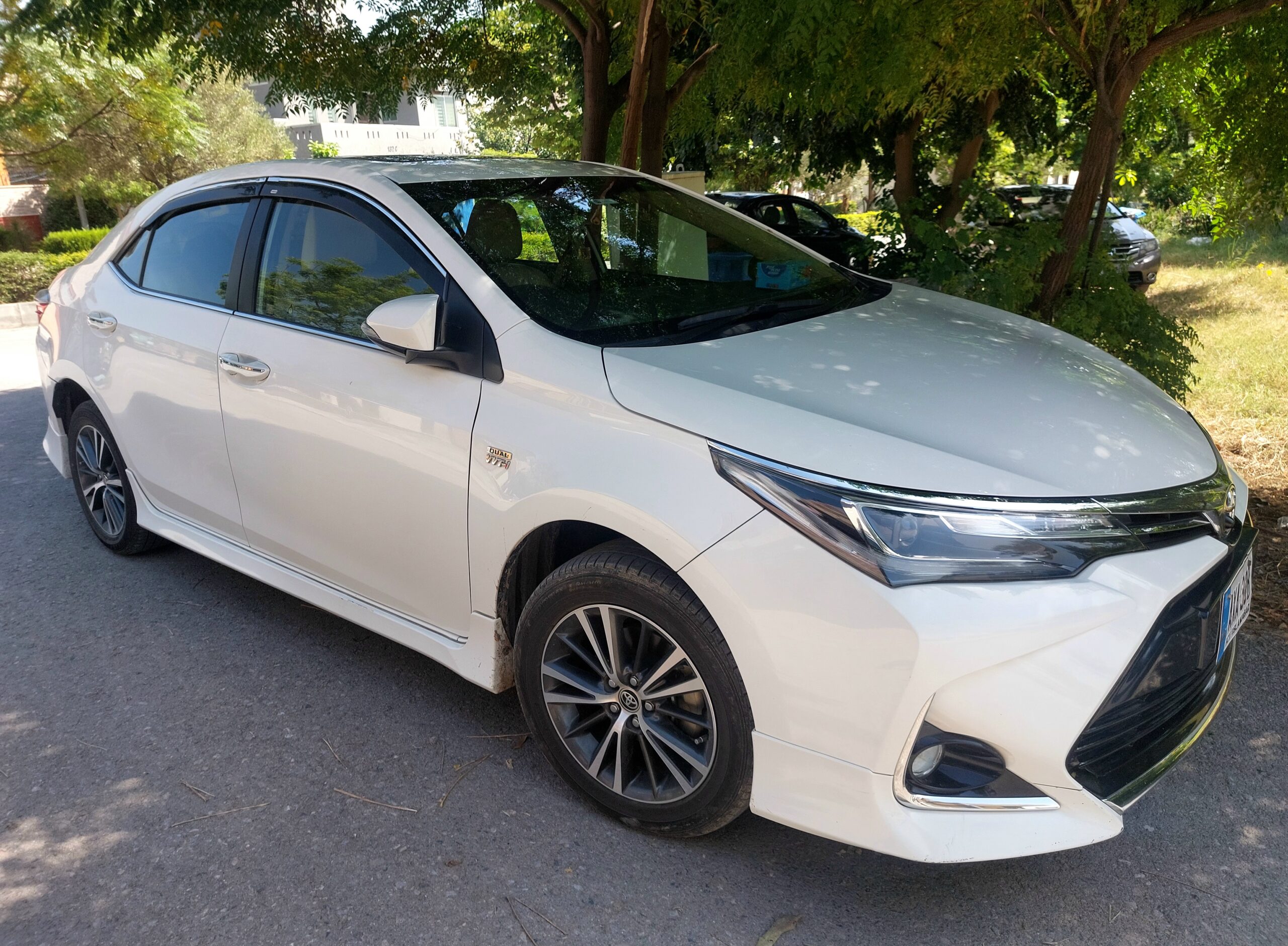
The government has shared the final draft of its new five-year auto policy with the International Monetary Fund (IMF). The implementation of the policy is expected to reduce the prices of locally manufactured vehicles.
Under the proposed policy, consumers would no longer be responsible for any additional increase in a vehicle’s price after booking. Various incentives have also been proposed to promote electric vehicles.
Companies that meet the policy targets would receive incentives, while penalties would be imposed for poor performance. The government estimates that the policy could generate total financial benefits of Rs1,764 billion.
Proposed Changes in Auto Sector Duties
After receiving the green signal from the prime minister, the final draft of the five-year auto policy was sent to the IMF.
The policy proposes various incentives for the auto sector. Customs duties on conventional vehicles are proposed to be reduced gradually by up to 80 percent.
For electric vehicles, the government has proposed exemptions from Federal Excise Duty, Capital Value Tax and Withholding Tax. Equipment for electric vehicle charging stations would also be subject to a customs duty of only 1 percent.
Financing and Consumer Protection Measures
The draft recommends increasing the financing limit for electric vehicles to Rs10 million, with a repayment period of up to five years.
Six rules have also been proposed for vehicle manufacturers. Under the proposed policy, manufacturers would be responsible for any price increase after a vehicle has been booked.
Companies would also be required to inform customers of the expected delivery date at the time of booking.
Export Targets for Auto Industry
Export targets of 15 percent have been proposed for tractor, motorcycle, rickshaw and auto-parts manufacturers, while car manufacturers would have a proposed export target of 20 percent.
Companies failing to meet the prescribed targets would be required to pay additional customs duties.
Expected Financial Benefits
The government expects the policy to generate a net profit of Rs288 billion over five years, while an additional Rs485 billion is expected from Federal Excise Duty.
The policy is also expected to save more than Rs1,226 billion in fuel import costs.