







Urdu Report Desk
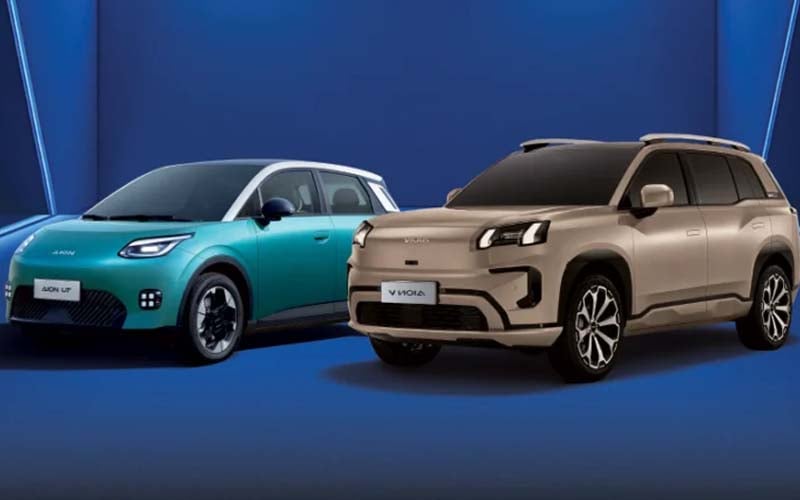
Electric vehicle prices in Pakistan may rise as the government considers ending the existing 1% sales tax concession following objections from the International Monetary Fund (IMF).
According to sources, Pakistan and the IMF are continuing discussions under the ongoing loan programme, while the government is reviewing the draft Auto Policy 2026–31 in light of the Fund’s concerns.
IMF Raises Objections to Preferential Tax Treatment
Sources say the IMF has objected to the preferential tax treatment currently available to electric vehicles.
The IMF’s reported position is that electric vehicles are not a basic necessity for low-income consumers and therefore should not receive a major sales tax concession.
Under the proposal being considered, sales tax on electric vehicles could increase from the existing 1% to the standard 18% rate. A similar increase is also being considered for electric vehicle charging stations.
Impact on a Rs. 10 Million EV
A Rs. 10 million electric vehicle currently attracts approximately Rs. 100,000 in sales tax at the 1% rate.
If the rate rises to 18%, the sales tax on the same vehicle would increase to Rs. 1.8 million, adding Rs. 1.7 million to the tax burden on the buyer.
Impact on Auto Policy 2026–31
The proposed tax change would represent a significant shift from the government’s draft Auto Policy 2026–31.
Under the proposed policy, the government had planned to retain the 1% sales tax rate for new-energy vehicles as part of efforts to encourage the adoption of electric vehicles.
IMF Support for EV Adoption
The IMF has previously supported measures aimed at encouraging electric vehicle adoption in Pakistan, including incentives intended to increase EV penetration and reduce dependence on imported petroleum.
However, the Fund has also pushed for the removal of preferential treatment that it considers capable of distorting the tax structure.
Decision Not Yet Final
The proposed increase in sales tax on electric vehicles has not yet been finalized, and no official notification has been issued.
Further negotiations between the government and the IMF are expected over Auto Policy 2026–31. A final decision on the policy and the applicable tax rate will be taken after the ongoing discussions and government approval.