








Urdu Report Desk
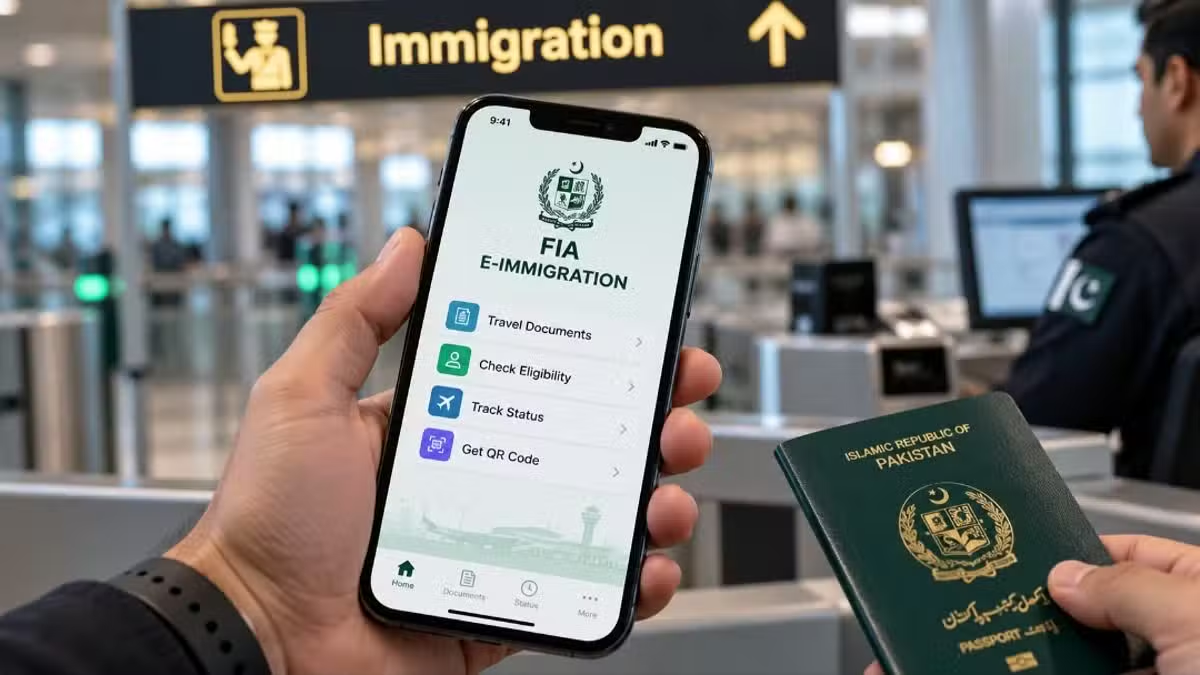
The Federal Investigation Agency (FIA) has prohibited immigration officers from offloading passengers solely on the basis of verbal instructions, introducing stricter documentation and accountability requirements at Pakistan’s international entry and exit points.
Under the new rules, decisions to prevent passengers from travelling must be documented in writing, digital records must be maintained, and procedures must allow the responsible officer to be identified.
The FIA Immigration wing has issued a 12-page directive, Standing Order No. 07/2026, which has taken immediate effect across airports, seaports and dry ports nationwide.
The new order replaces the previous standing order issued in 2005 and emphasises risk-based screening and comprehensive record-keeping in the Integrated Border Management System (IBMS). Details of the directive were reported on October 12, 2026.
Why the New Rules Matter for Travellers
The changes come amid public concerns over passengers being stopped from boarding international flights despite holding valid travel documents.
In November 2025, the Ministry of Overseas Pakistanis said the government had taken notice of cases in which Pakistani workers were allegedly offloaded despite having work visas and protector certificates.
The ministry directed the FIA to address such incidents and warned that action would be taken if officials were found responsible for unlawful conduct.
Written Records and Accountability
The new directive aims to ensure that immigration decisions follow documented procedures and can be reviewed when necessary.
Recording relevant information in the IBMS should make it easier to establish why a passenger was prevented from travelling and identify the officer responsible for the decision.
The requirement is intended to strengthen transparency and accountability in immigration procedures, particularly when passengers seek to challenge decisions or file complaints.
Does the New Order Guarantee Permission to Travel?
The new rules do not mean that every passenger must automatically be allowed to travel abroad.
FIA immigration officers will retain their screening responsibilities, including identifying suspected human trafficking, migrant smuggling, fraudulent travel documents and other immigration-related risks.
The agency will continue to enforce immigration laws and take action in cases that require further scrutiny.
What Should Passengers Know?
Travellers should continue to carry valid passports, visas, tickets and any supporting documents required for their destination and purpose of travel.
If immigration officials prevent them from travelling, passengers should seek clarification about the reasons for the decision and ask about the applicable review or complaint procedure.
The requirement to maintain written and digital records may help passengers access relevant information when questioning an immigration decision.
The new FIA directive marks a move towards more transparent, documented and accountable immigration procedures across Pakistan, while preserving the agency’s responsibility to screen passengers and enforce immigration laws at the country’s borders.