






KARACHI: New details have emerged in the murder investigation of Wafflix owner Mir Raza Ali, as the ride-hailing driver who drove him shortly before his death has revealed details of his final journey.
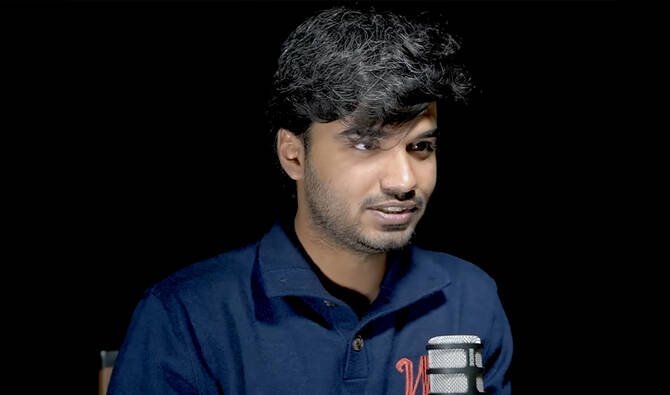
In a video statement that surfaced on Wednesday, driver Ehsanullah said Ali personally guided him through several routes during the journey and was eventually dropped off outside a bank.
Details of Mir Raza Ali’s Last Ride
According to Ehsanullah, the ride was booked at 3:57am on July 28, and he accepted the booking immediately.
The driver said he reached Ali’s pickup location at around 4:06am and called him at 4:07am to inform him that he had arrived.
Ali reportedly asked him to wait for two minutes and arrived at around 4:09am, after which the journey began.
Journey From Khalid Bin Waleed Road to Tariq Road
Ehsanullah said they left the street and headed towards Khalid Bin Waleed Road.
According to the driver, he was about to take a turn when Ali stopped him and directed him towards a road leading to Imtiaz and then Tariq Road.
During the journey, Ali reportedly asked whether the vehicle had a speaker or Bluetooth connection. He then connected his mobile phone to the car and played music.
The driver said he was following the navigation system while also taking directions from Ali.
Bahadurabad, Stadium Road and Gulistan-e-Johar
According to Ehsanullah, the journey continued from Tariq Road towards Bahadurabad, Aga Khan Hospital, Stadium Road, Millennium Wall and Perfume Chowk.
They then travelled towards Johar Mor, Mosamiyat and Samama, before reaching Continental Bakery.
The driver said Ali subsequently instructed him to take a turn and continue ahead before asking him to stop.
Ehsanullah said he eventually dropped Ali outside a bank, after which he left the location.
Investigation Into Mir Raza Ali’s Death
Twenty-five-year-old Mir Raza Ali went missing from PECHS, and his body was later found in bushes near a wedding hall in Gulistan-e-Johar.
Police had initially suspected that Ali may have been tortured before being shot. The circumstances surrounding his death later came under renewed scrutiny following the findings of a second post-mortem.
The second post-mortem strengthened the family’s longstanding claim that Ali had been murdered rather than having died by suicide.
Sindh Police Chief Acknowledges Investigation Lapses
Sindh Inspector General of Police Javed Alam Odho has acknowledged that there were lapses in the investigation into Ali’s death.
Speaking at a ceremony at the Sindh Bar Council, Odho said the case was now being reviewed in light of a new medico-legal report.
He said a new investigation team had been directed to conduct a transparent and independent investigation.
According to the IG, the shortcomings included aspects of the medico-legal process, which would now be addressed.
New Investigation Team Formed
The previous investigation team was dissolved following concerns raised by Ali’s family and the emergence of evidence indicating that he may have been shot from behind.
A new investigation team was subsequently formed under DIG Investigation and Crime Amir Farooqi.
Ali’s family and their lawyer Jibran Nasir expressed satisfaction with the formation of the new team and called for a transparent and impartial investigation.
Nasir had previously alleged that investigators pressured the family to accept a suicide narrative instead of investigating the possibility of murder.
Police Asked to Submit Progress Report
Meanwhile, a judicial magistrate in Karachi’s East district has directed police to submit a progress report in the murder case by August 15.
The previous investigating officer appeared before the court and sought additional time, stating that the investigation was still underway.
The court accepted the request and ordered police to submit the progress report by August 15.
As the investigation continues, authorities are examining the evidence surrounding Ali’s final journey, the second post-mortem findings and other material collected during the probe. The exact motive behind his death and the identity of those responsible have yet to be conclusively established.