






By Editorial Team
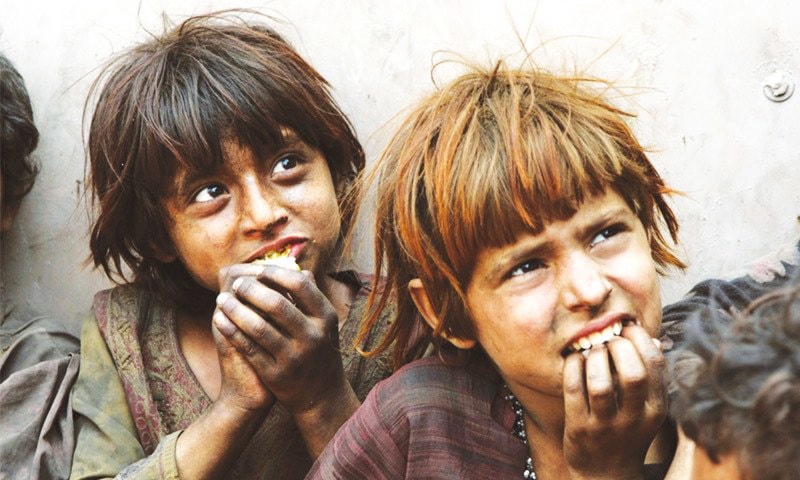
Islamabad -A new United Nations report has revealed that nearly 63 percent of Pakistan’s population ,around 161 million people , cannot afford the cheapest combination of nutritious food items after covering essential non-food expenses such as housing, transport, and utility bills.
Rising Poverty, Falling Real Incomes
The report notes that while nominal incomes in Pakistan appeared to rise, inflation eroded real household earnings by nearly 13 percent. As a result, the poverty rate climbed from 21.9 percent to 28.9 percent, pushing an estimated 25 million additional people below the poverty line.
Diets Deteriorating Among the Poor
The impact on household diets has been severe, particularly among lower-income families. Data cited in the report shows that consumption of 13 out of 14 key food items declined between the two most recent survey periods:
- Rice consumption fell by nearly 19 percent
- Pulses (daal) consumption dropped by 26 percent
- Milk consumption declined by 10 percent
Staples such as pulses, milk, meat, rice, fruits, and vegetables — once considered basic household necessities — are increasingly slipping out of reach for ordinary Pakistanis. Meanwhile, spending and consumption patterns among wealthier households have continued to rise, widening the gap between rich and poor.
A Global Contrast
Pakistan’s worsening food affordability crisis stands in contrast to a broader global trend of improvement. The SOFI 2026 report found that global hunger declined for a third consecutive year in 2025, with an estimated 7.8 percent of the world’s population — around 645 million people — facing hunger, down from 8.1 percent in 2024 and 8.6 percent in 2022. Pakistan, however, remains a notable outlier within this improving global picture.
Why It Matters
Health experts warn that the widening gap in food access carries the most serious long-term consequences for children and women, whose nutritional needs during critical growth periods directly affect the health and development of future generations. Sustained declines in the consumption of protein- and nutrient-rich foods such as pulses, milk, and meat raise concerns about rising malnutrition and stunting rates among Pakistani children.
Report
The findings come from The State of Food Security and Nutrition in the World 2026 (SOFI 2026) — Understanding and addressing the high cost of a healthy diet — the UN system’s flagship food security report, jointly published by the Food and Agriculture Organization (FAO), the International Fund for Agricultural Development (IFAD), UNICEF, the World Food Programme (WFP) and the World Health Organization (WHO).
According to the report, Pakistan has the highest rate of healthy-diet unaffordability in South Asia, despite having the region’s cheapest nutritious food basket.