







Urdu Report Editorial Team
Pakistan has taken an important step toward securing international recognition for its historical and cultural heritage, with 12 significant sites being proposed for inclusion on UNESCO’s Tentative List of World Heritage Sites. The development could pave the way for these locations to be considered for eventual inclusion on the UNESCO World Heritage List.
Under UNESCO’s World Heritage system, historic and cultural sites are generally placed on a country’s Tentative List before they can be formally nominated for World Heritage status. The process also requires detailed documentation, conservation measures, management plans and fulfillment of various international criteria.
Historic Sites from Across Pakistan
The proposed sites represent a diverse range of historical, cultural, religious and archaeological heritage from Khyber Pakhtunkhwa, Punjab, Sindh and Islamabad.
The list includes the Kalash Valley Cultural Landscape, Kot Diji Fort, Naukot Fort, Umerkot Fort, Bhamala Buddhist Complex, Bazira-Barikot Archaeological Site, Gor Khatri Archaeological Complex, Sethi House, Mai Qamro Mosque, Pharwala Fort, Rawat Fort and the Tomb of Sultan Muqarrab Khan.
Kalash Valley’s Unique Cultural Heritage
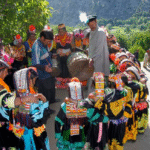
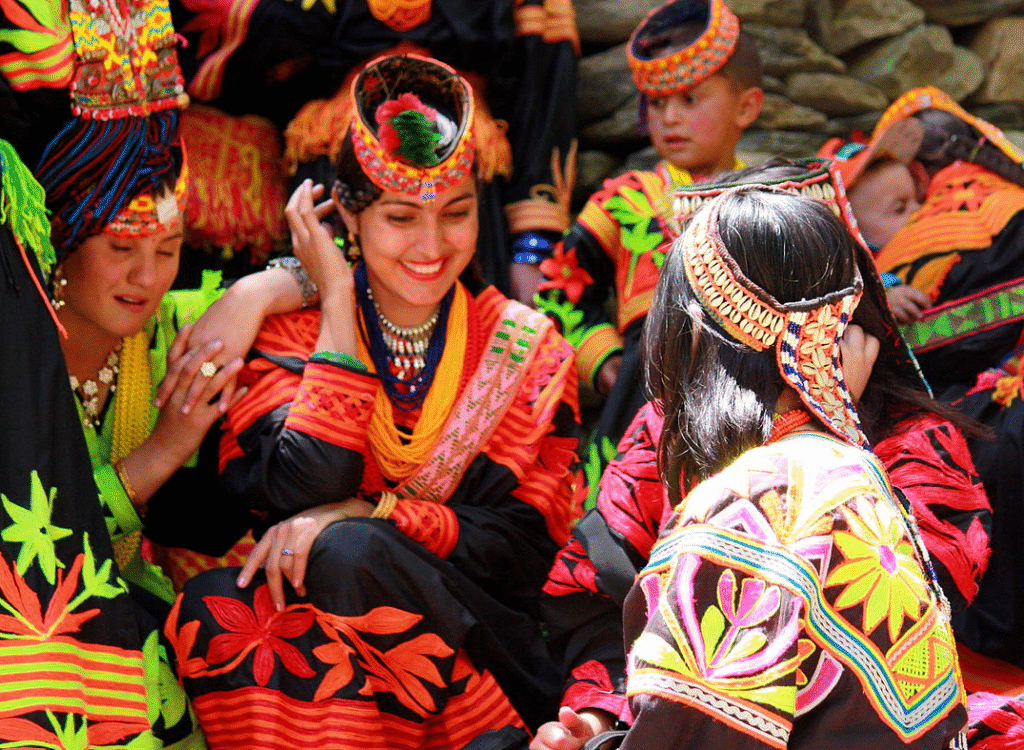
The Kalash Valley in Chitral is renowned for its distinctive culture, traditional festivals, language, clothing and centuries-old customs.
The Kalash community has preserved its traditional way of life for generations, giving the valley a cultural identity that is markedly different from many other parts of Pakistan. Its cultural landscape is considered significant for its unique traditions and heritage.
Historic Forts and Ancient Civilizations in Sindh
Kot Diji Fort, Naukot Fort and Umerkot Fort from Sindh are among the sites proposed for UNESCO recognition.
Kot Diji Fort in Khairpur is known for its massive walls and defensive architecture. The archaeological remains in the surrounding area are also associated with the ancient Indus Valley civilization.
Naukot Fort, located in the Thar region, represents an important example of desert defensive architecture, while Umerkot Fort is linked to the region’s Rajput and Islamic history.
Important Centers of Gandhara Civilization
The Bhamala Buddhist Complex in Khyber Pakhtunkhwa and the Bazira-Barikot archaeological site in Swat are also included in the proposed list.
Bhamala, located near Haripur, contains ancient Buddhist remains, including a stupa and examples of Buddhist art and sculpture. Bazira-Barikot, meanwhile, was an important center of the ancient Gandhara region and reflects the interaction of different civilizations over centuries.
Peshawar’s Historic Heritage Seeks Global Recognition
The Gor Khatri Archaeological Complex and Sethi House in Peshawar are also among the proposed sites.
Gor Khatri contains archaeological evidence from different historical periods, reflecting the long and diverse history of Peshawar. Sethi House is known for its traditional woodwork, intricate decoration and distinctive architectural style.
Ancient Mosque and Forts Near Islamabad
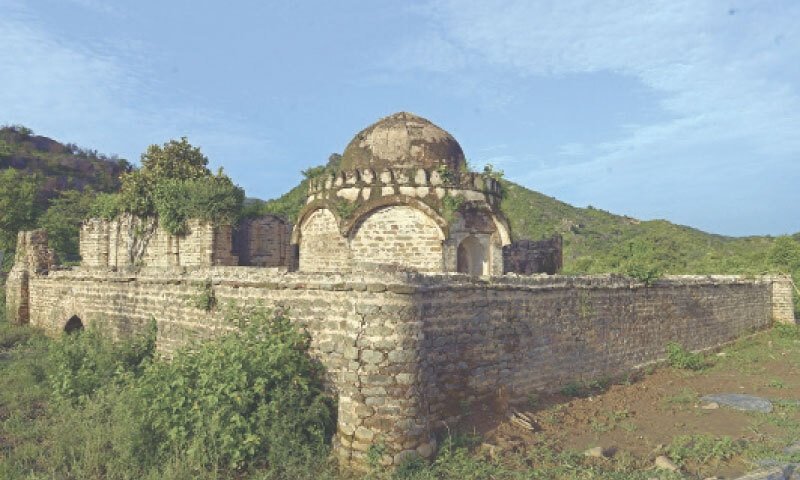
Mai Qamro Mosque, located near Bagh Jogian and Pharwala Fort, is another historic site proposed for inclusion. The centuries-old mosque represents an important example of the region’s Islamic architectural heritage.
Pharwala Fort and Rawat Fort, located near Rawalpindi, also feature in the proposed list. Both forts highlight the strategic and defensive importance of the region and its historic routes.
The Tomb of Sultan Muqarrab Khan is another important example of Punjab’s Islamic architectural heritage.
Pakistan Already Has Six World Heritage Sites
Pakistan currently has six sites on UNESCO’s World Heritage List: Mohenjo-daro, Taxila, Buddhist Ruins of Takht-i-Bahi and Neighbouring City Remains at Sahr-i-Bahlol, Lahore Fort and Shalimar Gardens, Historical Monuments at Makli, and Rohtas Fort.
The addition of further sites to the Tentative List could provide Pakistan with an opportunity to highlight its diverse historical and cultural heritage on the international stage.
Potential Benefits of World Heritage Status
Experts say UNESCO recognition could strengthen efforts to conserve, restore and better manage historic sites.
Such recognition could also contribute to cultural tourism, create economic opportunities for local communities and help promote Pakistan’s historical identity internationally.
However, inclusion on the Tentative List does not automatically guarantee World Heritage status. Each site must undergo a detailed evaluation and meet requirements relating to conservation, documentation, management and outstanding universal value.
Balochistan and Gilgit-Baltistan Also Need Attention
Archaeologist Professor Dr. Moezuddin has emphasized the need to introduce important heritage sites from other parts of Pakistan to the international community.
According to him, Balochistan, Gilgit-Baltistan and Kashmir also contain numerous archaeological and cultural sites of considerable historical importance.
He specifically highlighted the Gilgit Manuscripts, describing them as an important part of the region’s ancient intellectual and Buddhist literary heritage. He said Pakistan should also consider presenting these manuscripts for international recognition.
Ancient Heritage of Gilgit-Baltistan
The archaeologist also highlighted several sites in Gilgit-Baltistan, including Kargah Buddha, the Danyor and Hathun inscriptions, Manthal Buddha and Khaplu Fort, among other historical locations.
According to him, proper documentation and conservation of these sites could eventually help Pakistan present them for international recognition.
Further information about Pakistan’s archaeological heritage can also be found in this Urdu Report report on ancient historical sites.
Better Coordination Between Provinces Needed
Dr. Moezuddin said that following the 18th Constitutional Amendment, provincial governments have an important role in the protection and management of historical and cultural sites. However, stronger coordination at the national level is still needed.
He stressed that archaeologists, researchers and professionals from relevant fields should be involved in conservation and management projects so that Pakistan’s heritage can be protected through scientific methods.
He also pointed to the need to view Pakistan’s heritage beyond provincial boundaries and give equal importance to sites that possess significant historical, cultural or archaeological value.
Information about other historic locations can also be found in Urdu Report’s coverage of Pakistan’s archaeological heritage.