




By: Tariq Iqbal Chaudhry
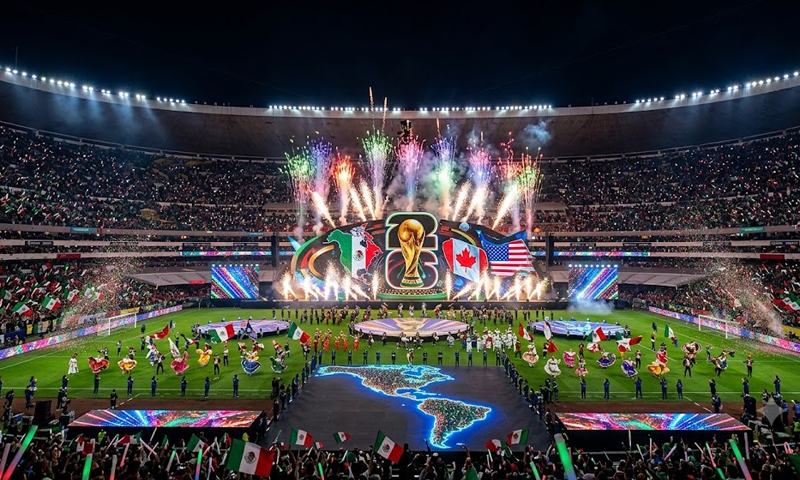
ZURICH: The FIFA World Cup 2030 is set to become one of the most unique, historic and memorable tournaments in the history of international football.
For the first time, World Cup matches will be staged across three continents ,Europe, Africa and South America. The tournament will also feature six host nations, all of which will earn direct qualification because of their hosting status.
The FIFA World Cup 2030 will be more than just the world’s biggest football tournament. It will also mark the 100th anniversary of the FIFA World Cup, which began in 1930.
Where Will the FIFA World Cup 2030 Be Held?
FIFA has awarded the main hosting rights for the 2030 World Cup to Spain, Portugal and Morocco, where the majority of the tournament’s matches will be played.
However, as part of the FIFA World Cup 2030 centenary celebrations, one opening match will also be played in each of Uruguay, Argentina and Paraguay.
The decision has been made to commemorate the origins of the FIFA World Cup, with the first edition having been held in Uruguay in 1930.
As a result, the 2030 FIFA World Cup will become the first World Cup in history to involve three different continents — Europe, Africa and South America.
Six Host Nations to Qualify Directly
Because they are hosting the tournament, six national teams will qualify directly for the FIFA World Cup 2030 without having to go through the traditional qualifying process.
The six host nations are:
- Spain
- Portugal
- Morocco
- Uruguay
- Argentina
- Paraguay
All other participating countries will have to secure their places through their respective regional World Cup qualifying campaigns.
Why Is FIFA Celebrating 100 Years of the World Cup?
The history of the FIFA World Cup began in 1930, when Uruguay hosted the inaugural tournament.
To commemorate the centenary of the competition, FIFA has planned special opening matches in South America. This will allow the tournament to return symbolically to the continent where the world’s greatest football competition began.
The decision also gives Uruguay, Argentina and Paraguay a special role in the 100th anniversary celebrations of the FIFA World Cup.
Where Was the First World Cup Held and Who Won It?
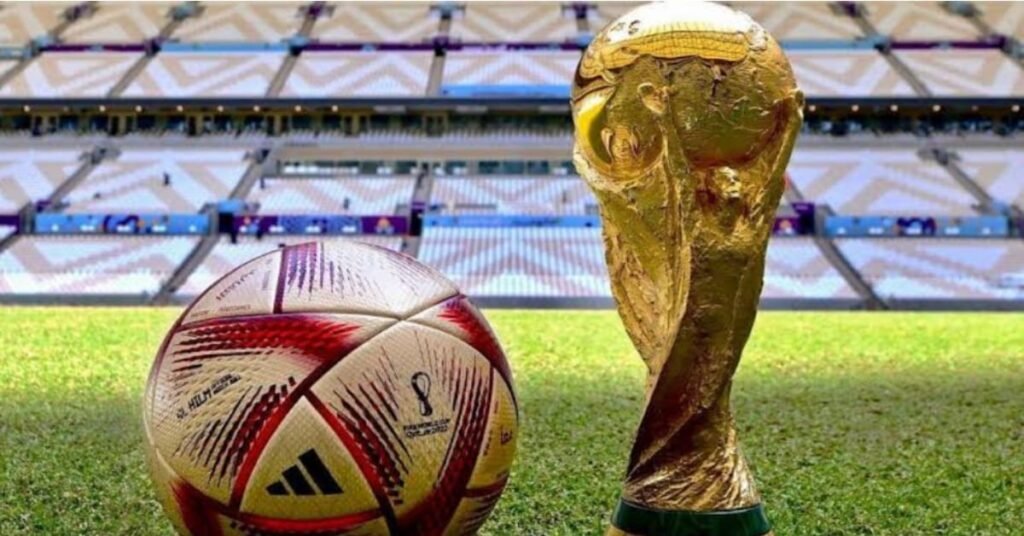
The inaugural FIFA World Cup was held in Uruguay in 1930.
Uruguay won the first-ever World Cup on home soil after defeating traditional rivals Argentina 4-2 in the final.
The historic final was played on July 30, 1930, at the Estadio Centenario in Montevideo.
A total of 13 national teams participated in the inaugural World Cup, making it a much smaller tournament compared with the modern competition.
FIFA World Cup 2030 Dates and Schedule
According to the proposed schedule, the FIFA World Cup 2030 is expected to begin on June 8, 2030, with the final scheduled for July 21, 2030.
The tournament will therefore run for approximately six weeks.
The most recent World Cup, the 2026 FIFA World Cup, was hosted across North America, with matches staged in the United States, Canada and Mexico.
How Many Teams Will Play in the 2030 World Cup?
Under FIFA’s currently approved format, 48 teams will participate in the FIFA World Cup 2030, the same expanded format introduced for the 2026 edition.
However, some FIFA member associations have proposed increasing the number of participating teams to 64 to mark the 100th anniversary of the World Cup.
No final decision has yet been made on the proposed expansion to 64 teams.
Historic Achievement for Morocco
The FIFA World Cup 2030 will mark a major milestone for Morocco, which will become the first African country to serve as a principal host of the men’s FIFA World Cup.
Morocco’s role will also represent another significant moment for the Muslim world following Qatar’s hosting of the 2022 FIFA World Cup.
The tournament is therefore expected to carry major historical significance not only for Morocco but also for African football.
A Major Challenge for Teams and Fans
Hosting the 2030 FIFA World Cup across three continents will create significant logistical challenges.
Teams, supporters, media representatives and officials could be required to travel thousands of kilometres between venues, potentially increasing travel costs, travel time and logistical complexity.
The geographical spread of the tournament could also create challenges related to scheduling, accommodation, transportation and player recovery.
However, FIFA and the host countries are expected to rely on modern transportation networks, coordinated planning and international cooperation to minimize these difficulties.
The Most Unique World Cup in History?
The FIFA World Cup 2030 is expected to set several historic precedents.
For the first time, six countries will be associated with hosting a single World Cup, matches will take place across three continents, six host nations will qualify automatically, and the tournament will commemorate 100 years of FIFA World Cup history.
The 2030 edition is therefore expected to become one of the most distinctive World Cups ever staged.
Beyond football, the centenary tournament will also highlight international unity, cultural diversity and a century of football history, making the 2030 FIFA World Cup a landmark event for the sport.