




Islamabad: Pakistan has recovered more than 1,100 historical and cultural antiquities from different countries around the world. However, one significant aspect of the case is the emergence of the name of an Indian art dealer, raising questions about how antiquities from Pakistan were stolen or transferred abroad.
The historical objects brought back to Pakistan have now been preserved and put on display at the Islamabad Museum. Pakistani citizens, researchers, historians and tourists from different countries are visiting the museum to see these rare artifacts.
The objects were recovered from several countries, particularly the United States, Italy, France and Britain, whose authorities cooperated with Pakistani institutions in identifying and returning the cultural heritage.
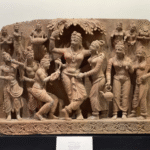
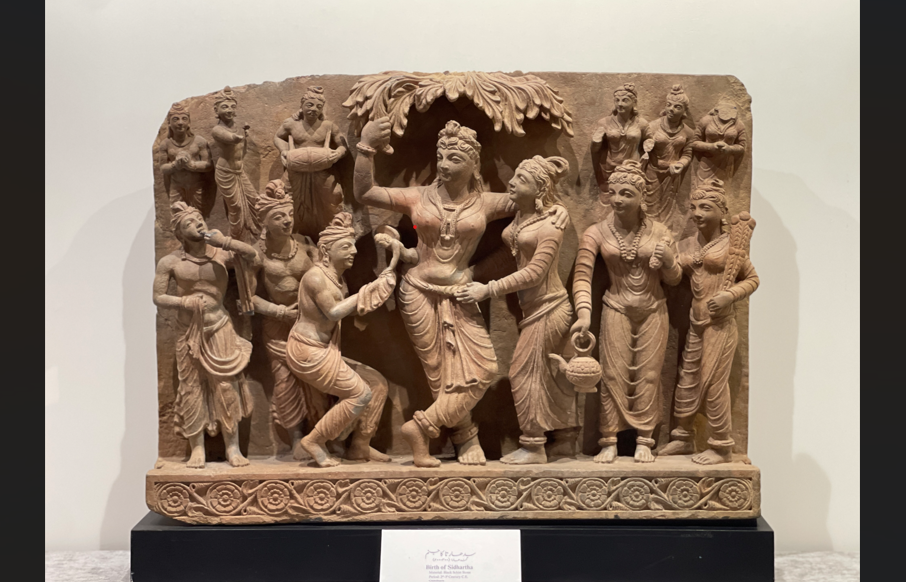
The collection includes ancient statues, coins, pottery, religious artifacts and rare pieces associated with the Gandhara civilization.
The Recovery Took Years
According to officials, the process of bringing these antiquities back to Pakistan was lengthy and complicated and continued for several years.
Authorities in different countries exchanged information about suspicious historical objects, worked to establish their identities and investigated their links to Pakistan. Continuous communication was maintained between the relevant institutions during the process.
Law-enforcement agencies, intelligence services and Pakistani diplomatic missions in several countries also played a role. Once an artifact was determined to have a Pakistani connection, legal and diplomatic channels were used to facilitate its return.
Subhash Kapoor Investigation Became an Important Lead
According to Pakistani officials, the case of Indian-origin art dealer Subhash Kapoor also became significant in efforts to trace Pakistani antiquities held abroad.
Kapoor was accused of illegally acquiring ancient and valuable artworks from South Asia, transferring them overseas and dealing in them through the international art market. Investigations into his activities have involved authorities in several countries.
His arrest and the subsequent investigations brought information to light about the ownership and origins of ancient artworks held in different parts of the world. He was arrested in India, investigated and subsequently sentenced.
According to Pakistani officials, during investigations into certain artifacts held in the United States, American authorities contacted the Pakistani Embassy.
Following the contact, both sides completed the necessary legal procedures and verified the Pakistani origin of the objects. The artifacts were subsequently returned to Pakistan.
Not All Recovered Antiquities Were Stolen from Pakistan
Officials have clarified that not all of the objects brought back to Pakistan had been stolen from Pakistani museums or government institutions.
Some historical objects had been taken out of the region before the partition of the Indian subcontinent, while others had remained for decades in foreign private collections.
Therefore, establishing their ownership and returning them required examination of historical records, evidence of provenance and legal documentation.
Major Recovery from the United States
Pakistan and the United States have established cooperation aimed at preventing the illegal trade and international movement of cultural property.
The two countries also signed a memorandum of understanding in 2023 to strengthen cooperation against the illicit trafficking of cultural objects.
Under this cooperation, US authorities contacted Pakistani officials after identifying cultural artifacts believed to have links to Pakistan.
According to Pakistani officials, several valuable historical objects were returned after the completion of the necessary legal procedures. Pakistan also covered the expenses associated with bringing the artifacts back.
European Countries Also Helped
European countries also played a role in the recovery of Pakistani antiquities.
Relevant institutions in Italy, France and Britain, among other countries, assisted in identifying historical objects linked to Pakistan and tracing their origins.
Diplomatic contacts and legal procedures in the respective countries were then used to facilitate their return, resulting in the repatriation of several antiquities to Pakistan.
Why Is Gandhara Art Important?
Several artifacts from the Gandhara civilization are among the objects that have been returned.
The Gandhara civilization flourished in areas that are now part of northwestern Pakistan. Important centers included Taxila, Peshawar, Swat and other areas of Khyber Pakhtunkhwa.
Gandhara art is particularly renowned around the world for its sculptures of Buddha and Bodhisattvas.
The art of Gandhara reflects a combination of Greek, Central Asian and local artistic traditions, giving it a distinctive position in the history of Asian civilization.
Indian Claims
India has also made claims from time to time concerning the ownership of certain Gandhara artifacts.
Pakistani officials, however, reject these claims and maintain that major centers of the Gandhara civilization were located within present-day Pakistan.
Artifacts Dating Back Up to 7,000 Years
The collection displayed at the Islamabad Museum includes ancient objects associated with Mehrgarh and the Indus Valley Civilization, along with terracotta pieces, coins, pottery and religious sculptures from the Gandhara period.
Some of the artifacts are believed to be around 7,000 years old, while many Gandhara artworks date back approximately 2,000 years.
Gandhara’s Influence Beyond Pakistan
The importance of the Gandhara civilization extends far beyond Pakistan’s ancient history.
Dr. Esther Park, a South Korean art historian, has been studying Gandhara art for nearly two decades.
According to her, Gandhara provides an important link for understanding the ancient societies of Asia. She says the movement of Buddhist artistic and cultural traditions toward China, Korea and Japan cannot be fully understood without examining Gandhara’s role.
International Interest in the Museum Exhibition
During the exhibition of the antiquities in Islamabad, researchers and tourists from China, the United States, South Korea and other countries have been visiting the museum to see the historic artifacts.
For international visitors, these antiquities offer a different perspective on Pakistan, one that goes beyond the country’s current political and security challenges and highlights its thousands of years of cultural history.
Ancient Heritage Could Become a Future Opportunity

A rare ancient statue of a high-ranking ruler discovered at Harappa
Pakistan is home to the remains of several ancient civilizations, including Mehrgarh, the Indus Valley Civilization, Gandhara and Harappa.
Experts believe that better preservation and international promotion of these archaeological sites and artifacts could create new opportunities for historical research, cultural diplomacy and tourism.
The return of more than 1,100 antiquities therefore represents more than the recovery of ancient objects. It is also an effort to reconnect Pakistan with important pieces of its own cultural and historical heritage.