




Tariq Iqbal Chaufhry

Pakistan is currently facing two major challenges at once: a rapidly growing population that keeps piling pressure on state resources, the economy, education, health, and employment, and on the other hand, a governance crisis, an unequal distribution of authority, and a renewed, intensifying debate over creating new provinces. The real question is whether creating new provinces alone will solve these problems, or whether the actual issue lies elsewhere ,and if new provinces are created, how many will there actually be?
Population Pressure and the Roadblock to Development
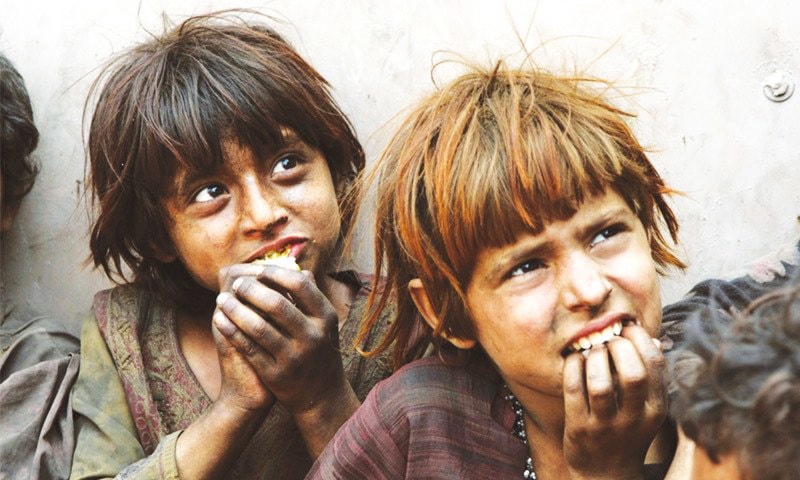
Pakistan is among the countries with one of the fastest-growing populations in the world. The annual growth rate stands at roughly 2.4%, one of the highest rates in South Asia. This rapid growth has placed extraordinary pressure on education, healthcare, water, employment, housing, and basic infrastructure.
According to experts, in Pakistan almost every development project becomes inadequate within just a few years because of population growth. Soon after a new hospital, school, or road is built, the need for more facilities arises again , because the rate of population growth far outpaces the rate at which resources can be provided.
The Governance Crisis and the New Provinces Debate
In recent days, this debate returned to the center of national politics after Interior Minister Mohsin Naqvi emphasized the need for new administrative units, or new provinces, in the country.
Later, the military’s spokesperson also referenced the need for a better administrative system and reforms, after which various political parties and government figures presented their own positions on the matter.
Some federal ministers pushed for reforms within the existing system rather than supporting new provinces, while opposition parties expressed reservations about the proposal.
The 28th Constitutional Amendment and New Provinces
Following the passage of the 27th Constitutional Amendment, political circles are now abuzz with discussion over the proposed 28th Constitutional Amendment. According to various analysts, the proposed amendment may include devolving authority to the grassroots level, granting constitutional and financial protection to local bodies, and possibly establishing new administrative units or provinces — though no official draft has been released so far.
Claims circulating on social media suggest the creation of 12 new provinces. However, these claims have not been officially confirmed. Meanwhile, the Prime Minister’s advisor Rana Sanaullah and Minister of State for Law Barrister Aqeel Malik have, in separate statements, hinted that the proposed amendment may include reforms related to Article 140, the NFC Award, local government, education, health, and population.
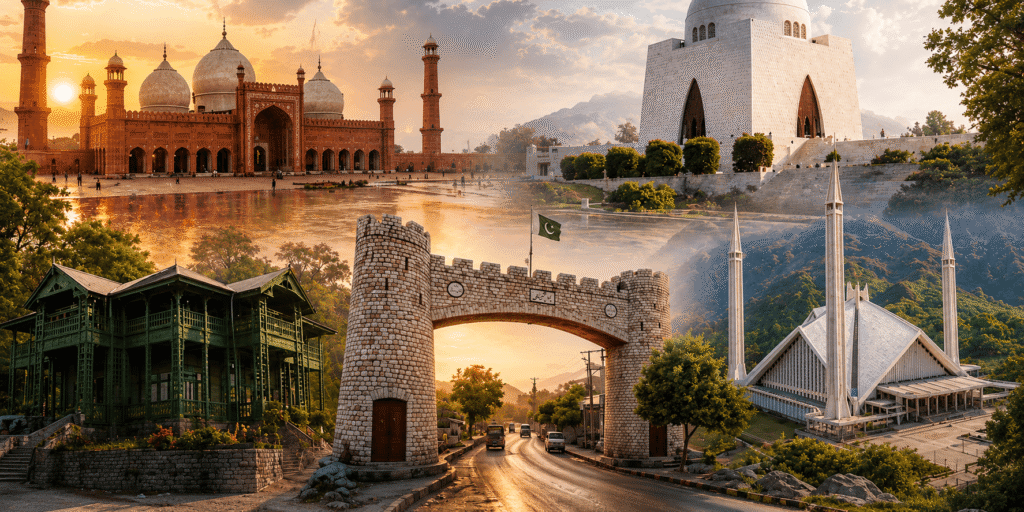
In recent days some analyses have claimed that under the proposed 28th Constitutional Amendment, Pakistan could see the creation of 12 new provinces or administrative units ,including Islamabad, West Punjab, South Punjab, Bahawalpur, Potohar, Karachi, Sindh, Mehran, Balochistan, Gwadar, Khyber, and Hazara — or possibly even more administrative units. Some unofficial lists also mention Azad Jammu & Kashmir and Gilgit-Baltistan. However, the government has not officially confirmed these claims or any specific number of new provinces.
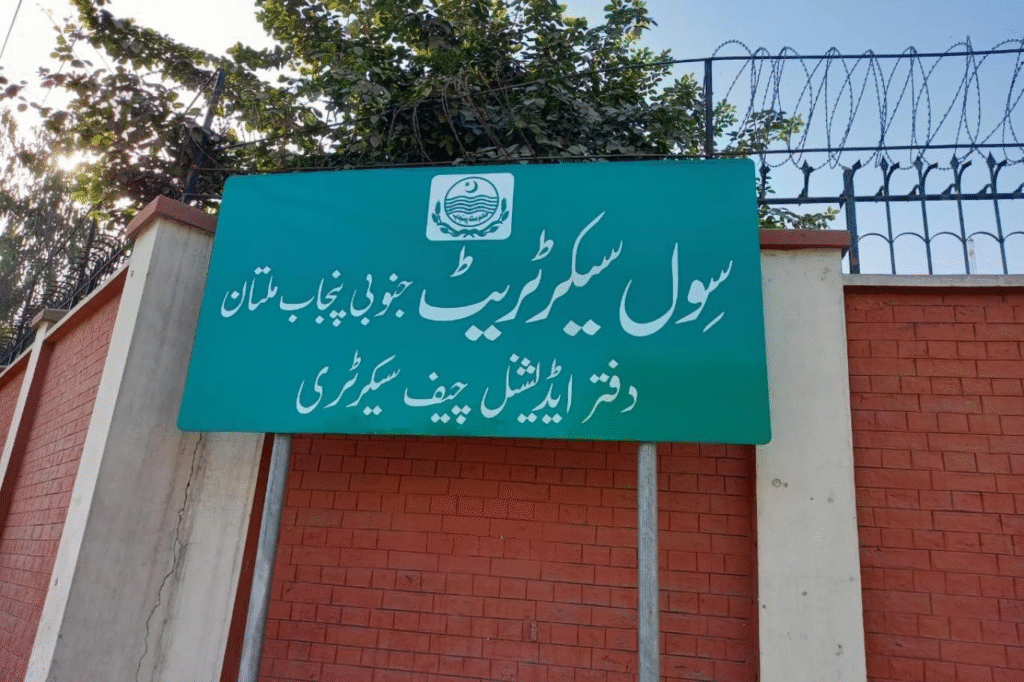
At the official level, it has only been indicated that the proposed 28th Constitutional Amendment is considering reforms related to Article 140, the NFC Award, local government, education, population, and devolution of authority to the grassroots level, while all information regarding new provinces remains, for now, speculative.
What Did Bangladesh Do Differently?
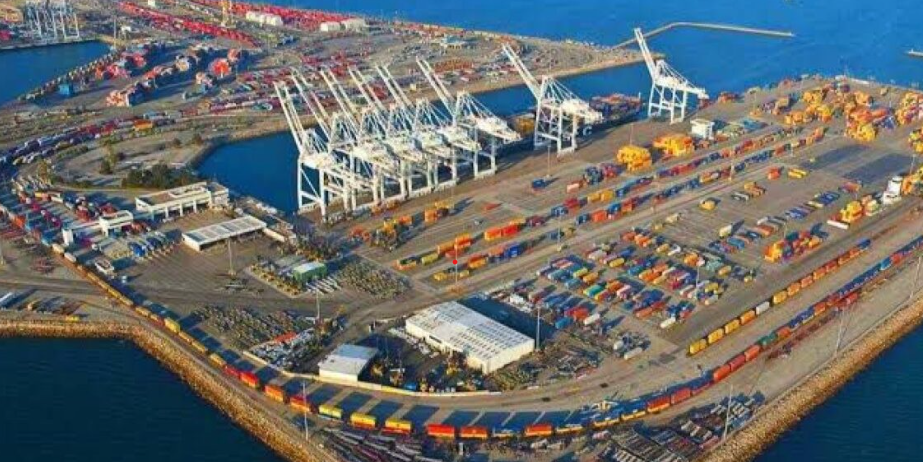
Bangladesh, once part of Pakistan, has today surpassed Pakistan on several social and economic indicators. Economic experts say that when governments keep population growth in line with available resources, they can invest more effectively in education, health, and employment , benefiting the entire economy.
Bangladesh made population control a national priority for decades. As a result, women’s participation in the workforce increased, literacy rates rose significantly, average life expectancy improved, and exports grew consistently.
Why Couldn’t Pakistan Control Its Population?
According to former government officials and population experts, the biggest reason behind this issue in Pakistan has been a persistent lack of political will. Investment in family planning remains far below global standards, and after the 18th Constitutional Amendment devolved this sector to the provinces, policymaking and implementation were disrupted for several years.
Experts also point to certain social behaviors ,child marriages, continued childbearing in pursuit of a son, and religious or social misconceptions about family planning , as major contributing factors to population growth.
Will New Provinces Really Solve the Problems?
Political analysts believe that creating new provinces alone is no guarantee of good governance. According to them, the real issue is the devolution of authority to the grassroots level. If a strong local government system is established, districts are given financial and administrative autonomy, and local governments are empowered, public problems could be resolved far more effectively.
Many experts cite the examples of the United States, the United Kingdom, and other countries, arguing that a strong local government system is often more effective than simply creating new provinces.
Why Is There Opposition to New Provinces?
The issue of new provinces isn’t purely administrative , it’s deeply political. Seats in the National Assembly, shares in the NFC Award, and resource distribution are largely tied to population. As a result, provincial governments often oppose new divisions out of fear of losing political and financial power.
This is why proposals for South Punjab, Bahawalpur, Hazara, and a Saraiki province, along with other administrative units, have remained under discussion for years without materializing.
The Demand for a Pashtunkhwa and Hazara Province
Amid the broader debate over new provinces, the demand for a separate province for the Pashtun nation has also resurfaced on the political scene.
Following internal divisions within the Pashtunkhwa Milli Awami Party, one faction proposed creating a new province called "Pashtunkhwa,” combining Pashtun-majority areas of Balochistan, Khyber Pakhtunkhwa, and other Pashtun-majority regions.
Although this demand isn’t new ،it has surfaced periodically since the 1960s ,it has regained attention under current political circumstances. Similarly, the people of Hazara have also been demanding a separate province of their own for decades.
What Is the Real Issue?
Experts largely agree that Pakistan’s problems weren’t caused simply by having too few provinces.
Rapid population growth, a weak local government system, poor planning, limited resources, political inconsistency, low investment in education and health, unemployment, and administrative weaknesses are the core factors that have undermined governance.
If these underlying issues aren’t addressed, creating new provinces alone is unlikely to bring meaningful change to people’s lives.
More Stories
Skardu Broad Peak: Nirmal Purja confirmed dead ; Pakistani climber still missing – urdureport.com
How Tariq ibn Ziyad’s Conquest Gave Gibraltar Its Name – urdureport.com
Will New Provinces Actually Solve the Problem?
Pakistan currently stands at a crossroads where major decisions about population, the economy, and administrative structure are urgently needed. On one hand, rapid population growth continues to strain state resources; on the other, debate continues over new provinces, administrative reforms, and a stronger local government system as paths to better governance.
The real question isn’t whether new provinces should be created or not ، it’s whether the state is ready to make the decisions needed to provide the public with education, health, employment, justice, and better governance. That decision will shape Pakistan’s direction for decades to come, and whether new provinces can actually help resolve deep-rooted issues like poverty, unemployment, education, and healthcare remains, for now, an open question.